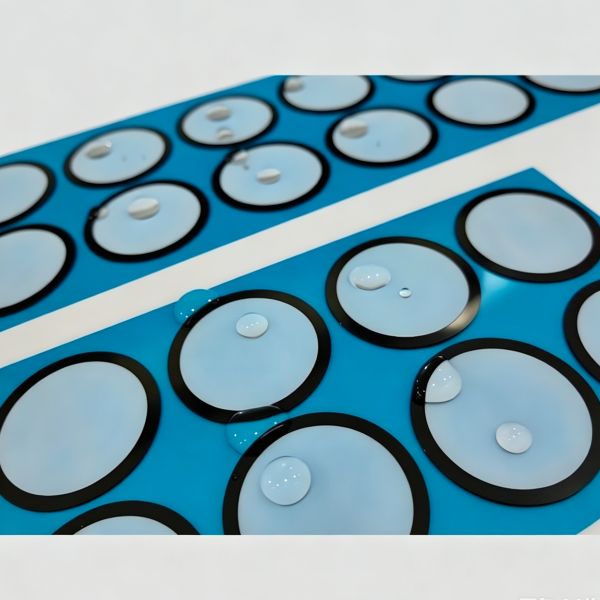
Waterproof & Dustproof Mesh
Waterproof breathable membrane (ePTFE)
Expanded polytetrafluoroethylene (ePTFE) microporous membrane, with pore sizes smaller than water molecules but larger than air molecules, achieving selective permeability for waterproofing and breathability. Protection level reaches IP67, and with special coating can reach IP68. It balances internal and external pressure differences and prevents condensation, making it a core protective material for outdoor sensors, automotive electronics, and battery pack vent valves.
Key Features
- Waterproof and breathable (IP67), microporous selective permeability
- Balance internal and external pressure differences, prevent sealing cavity deformation
- Anti-condensation, protect internal electronic components
- Good weather resistance, suitable for long-term outdoor use
Applications
Protection for outdoor/automotive sensors · Battery pack vent valves · Outdoor lighting · Communication equipment · Beauty devices · 3C protection
Material Tags
Specifications
| Type | Waterproof breathable membrane (ePTFE) |
|---|---|
| Protection level | IP67 (waterproof and dustproof), special coating can achieve IP68 |
| Air permeability | ≥ 10000 ml/min/cm² |
| Sound loss | > 1 dB |
| Temperature resistance | −40 ~ 105 ℃ |
| Adhesive | Acrylic / Silicone |
| Die-cutting tolerance | ±0.10 mm |