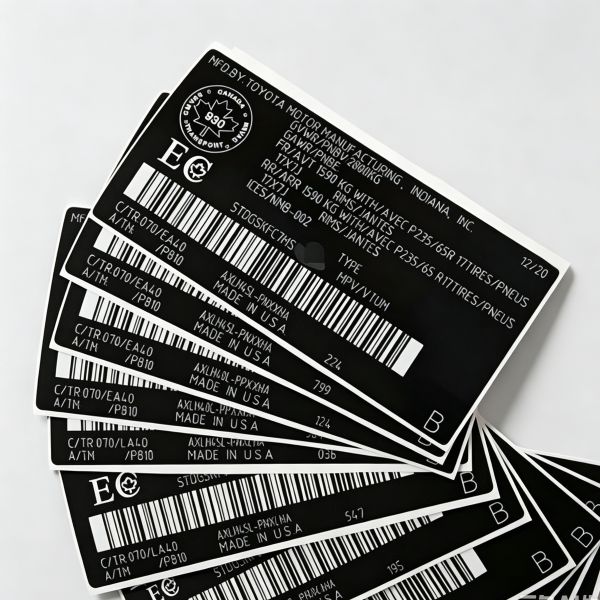
Nameplate

Security Labels · Die-Cutting Materials · Precision Engineering

Nameplate
Security Labels

Nameplate

Metal and PET material nameplates using printing/engraving — scratch resistant, durable, persistent information. Custom size and content per drawing, adhesive backing for easy install. Dedicated for equipment identification, asset tags and model labels.

Key Features

  • Scratch resistant, persistent clear info
  • Metal/PET material optional
  • Printable/engraveable, flexible custom
  • Adhesive backing for easy install

Applications

Equipment identification · Asset tags · Product model labels · Device nameplates · Industrial marking

Material Tags

NameplateScratch ResistantMarkingWear ResistantMetal Nameplate

Technical Parameters

MaterialMetal (aluminum/stainless) / PET
ProcessScreen print / Print / Engrave
FeatureScratch & wear resistant
SizeCustom per drawing
DeliveryRoll / Sheet
ProcessingDie-cut + Print
Adhesive3M / General acrylic
FAQ

Frequently Asked Questions about Nameplate

Common questions about die-cutting and material selection for this product

How Does VOID Anti-Counterfeit Label Die-Cutting Work?

VOID anti-counterfeit labels use specialized pressure-sensitive adhesive that fractures internally when peeled, leaving hidden text or patterns (e.g., "VOID", "OPENED") on both the label and the surface — irreversibly. This one-time destructive anti-tamper effect effectively identifies unauthorized opening, widely used for product authentication and warranty seals.

What customization options do anti-counterfeit labels support?

Multiple anti-counterfeit technologies can be combined: unique QR code per item (scan to verify), holographic (laser holographic, visible to naked eye), VOID brittle paper (destroys on peel), and NFC chip labels (verify by phone tap). Choose a single or combined solution based on brand needs and budget.

What's the difference between roll and sheet label delivery?

Roll labels are wound by core diameter and pitch, suited for high-speed automatic labeling (inline production); specify core diameter (usually 76 mm), label pitch, and feed direction. Sheet labels are stacked by count, suited for manual or small-batch use with flexible packaging. Use roll for mass production, sheet for prototyping and small batches.

Have more questions? Our technical team is ready to provide one-on-one consultation

Contact Us

Need die-cutting materials? Contact us for a free solution

Our technical team provides one-on-one consultation with rapid prototyping response

Get Free Quote →
Online Inquiry
WeCom SupportClick to Chat Phone0755-23009171 Emailcs@lsight.com