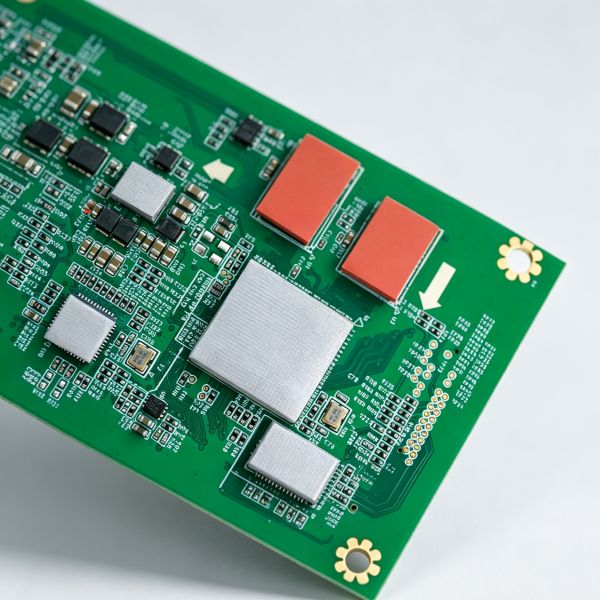
Thermal Interface Materials
Thermal Conductive Silicone Pad
Silicone-based thermal interface material (thermal conductive silicone pad), soft and conformable, low oil bleeding, low interfacial thermal resistance. Thermal conductivity ranges from 2–12 W/m·K, can be die-cut into special shapes, efficiently dissipates heat from chips and modules, widely used in thermal management scenarios such as chip heat dissipation, power supplies, and LED lighting.
Key Features
- Thermal conductivity 1–12 W/m·K, high heat dissipation efficiency
- Soft with low interfacial thermal resistance, tight contact
- Low oil bleeding, does not contaminate components, color customizable
- Can be die-cut into special shapes, adaptable to various shapes
Applications
Chip/module heat dissipation · Power supply heat dissipation · LED lighting heat dissipation · New energy vehicle electronic control · Communication equipment heat dissipation
Material Tags
Specifications
| Type | Thermal Conductive Silicone Pad (TIM) |
|---|---|
| Thermal Conductivity | 2–12 W/m·K |
| Thickness | 0.5–5.0 mm |
| Hardness (Shore) | 20–70 (Shore OO) |
| Breakdown Voltage | ≥ 5 kV |
| Temperature Resistance | −40 ~ 200 ℃ |
| Die-Cut Tolerance | ±0.15 mm |