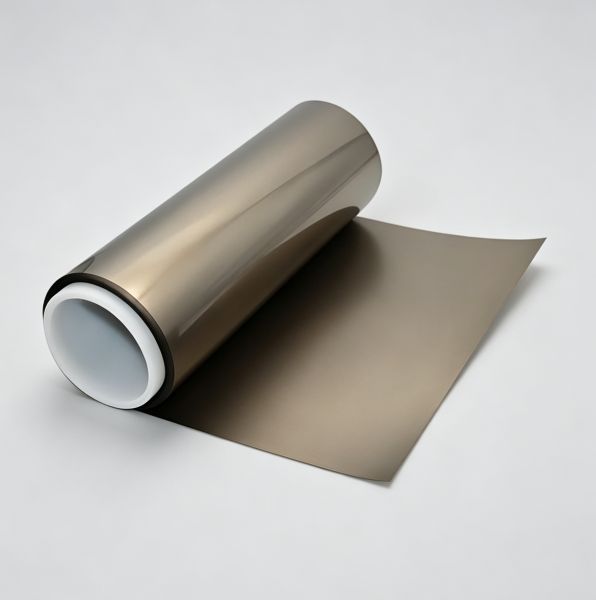
EMI Absorbing Material

EMI Shielding · Die-Cutting Materials · Precision Engineering

EMI Absorbing Material
EMI Shielding

EMI Absorbing Material

Electromagnetic wave absorbing material — wideband absorption (1–40 GHz), reduces reflection, lowers EMI and crosstalk. Flexible mounting. Suited for EMC chambers, antenna isolation and radar absorption.

Key Features

  • Wideband absorption (1–40 GHz), broad coverage
  • Reduces reflection, lowers crosstalk
  • Flexible mounting, easy install
  • Effectively reduces electromagnetic interference

Applications

EMC chamber · Antenna isolation absorption · Radar absorption · Chip-level EMI suppression

Material Tags

Absorbing MaterialEMCAntennaWidebandAbsorber

Technical Parameters

TypeEM wave absorbing material
FrequencyWideband 1–40 GHz
Thickness0.3–3.0 mm
FeatureAbsorb reduces reflection
Temperature−40 ~ 125 °C
ApplicationEMC / Antenna / Radar absorption
Die-Cutting Tolerance±0.10 mm
FAQ

Frequently Asked Questions about EMI Absorbing Material

Common questions about die-cutting and material selection for this product

What Shielding Effectiveness Can Copper Foil Die-Cutting Achieve?

Conductive copper foil die-cut parts achieve 60-100 dB shielding effectiveness, covering most EMC scenarios. Actual effectiveness depends on foil thickness (typically 0.018-0.07mm), conductive adhesive type, and overlap area. For high-frequency interference (>1 GHz), use thicker foil and ensure good overlap grounding.

Why are copper foil die-cutting precision requirements so high?

Copper foil shield dimensions directly affect shielding effectiveness — a 0.03 mm error enlarges the lap gap and sharply reduces effectiveness. Copper foil die-cutting tolerance is typically within ±0.05 mm. For precision shielding, use etching dies or laser cutting, plus 100% dimensional inspection.

Which is better — conductive fabric or copper foil shielding?

Conductive fabric is flexible, suits curved and irregular shapes, and bends without breaking. Copper foil has higher effectiveness (10-20 dB more), suits flat shielding and high-frequency scenarios. They are often combined: copper foil for core shielding zones, conductive fabric for gaps and bends. Choose by frequency, shape complexity, and cost.

Have more questions? Our technical team is ready to provide one-on-one consultation

Contact Us

Need die-cutting materials? Contact us for a free solution

Our technical team provides one-on-one consultation with rapid prototyping response

Get Free Quote →
Online Inquiry
WeCom SupportClick to Chat Phone0755-23009171 Emailcs@lsight.com