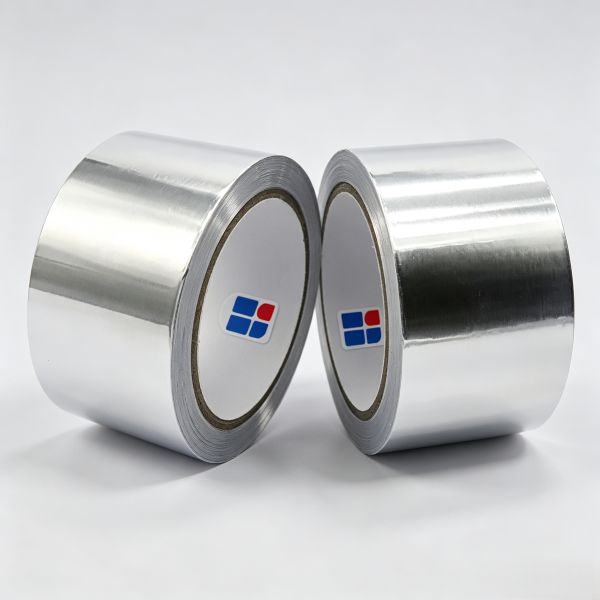
Aluminum Foil
Lightweight aluminum foil shielding — easy bonding, high value, conductive adhesive compatible. 60–80 dB effectiveness. Suited for cable wrapping, enclosure shielding and general EMI. An economical shielding solution.
Key Features
- Lightweight, no added weight
- Easy bonding, convenient install
- High value, economical shielding
- Conductive adhesive compatible
Applications
Cable shielding · Enclosure shielding · General EMI shielding · Consumer electronics EM protection
Material Tags
Technical Parameters
| Material | Aluminum foil |
|---|---|
| Shielding | 60–80 dB (10 MHz–1 GHz) |
| Thickness | 0.01–0.10 mm |
| Adhesive | Conductive acrylic |
| Temperature | −40 ~ 120 °C |
| Adhesive Side | Single/double optional |
| Die-Cutting Tolerance | ±0.05 mm |
Frequently Asked Questions about Aluminum Foil
Common questions about die-cutting and material selection for this product
What Shielding Effectiveness Can Copper Foil Die-Cutting Achieve?
Conductive copper foil die-cut parts achieve 60-100 dB shielding effectiveness, covering most EMC scenarios. Actual effectiveness depends on foil thickness (typically 0.018-0.07mm), conductive adhesive type, and overlap area. For high-frequency interference (>1 GHz), use thicker foil and ensure good overlap grounding.
Why are copper foil die-cutting precision requirements so high?
Copper foil shield dimensions directly affect shielding effectiveness — a 0.03 mm error enlarges the lap gap and sharply reduces effectiveness. Copper foil die-cutting tolerance is typically within ±0.05 mm. For precision shielding, use etching dies or laser cutting, plus 100% dimensional inspection.
Which is better — conductive fabric or copper foil shielding?
Conductive fabric is flexible, suits curved and irregular shapes, and bends without breaking. Copper foil has higher effectiveness (10-20 dB more), suits flat shielding and high-frequency scenarios. They are often combined: copper foil for core shielding zones, conductive fabric for gaps and bends. Choose by frequency, shape complexity, and cost.
Have more questions? Our technical team is ready to provide one-on-one consultation
Contact Us